
Your Settlement Documentary is a collaboration of medical experts and documentarians. We craft impactful documentaries grounded in the evidence of medical malpractice cases.
Guided by your case strategy, we focus on the critical failures in care, identify those responsible, lay out the case for accountability, and convey the devastating human consequences.
(A subsidiary of Hospital Watchdog.)
Watch Our Investigations Unfold
Patient Dumping Fatality
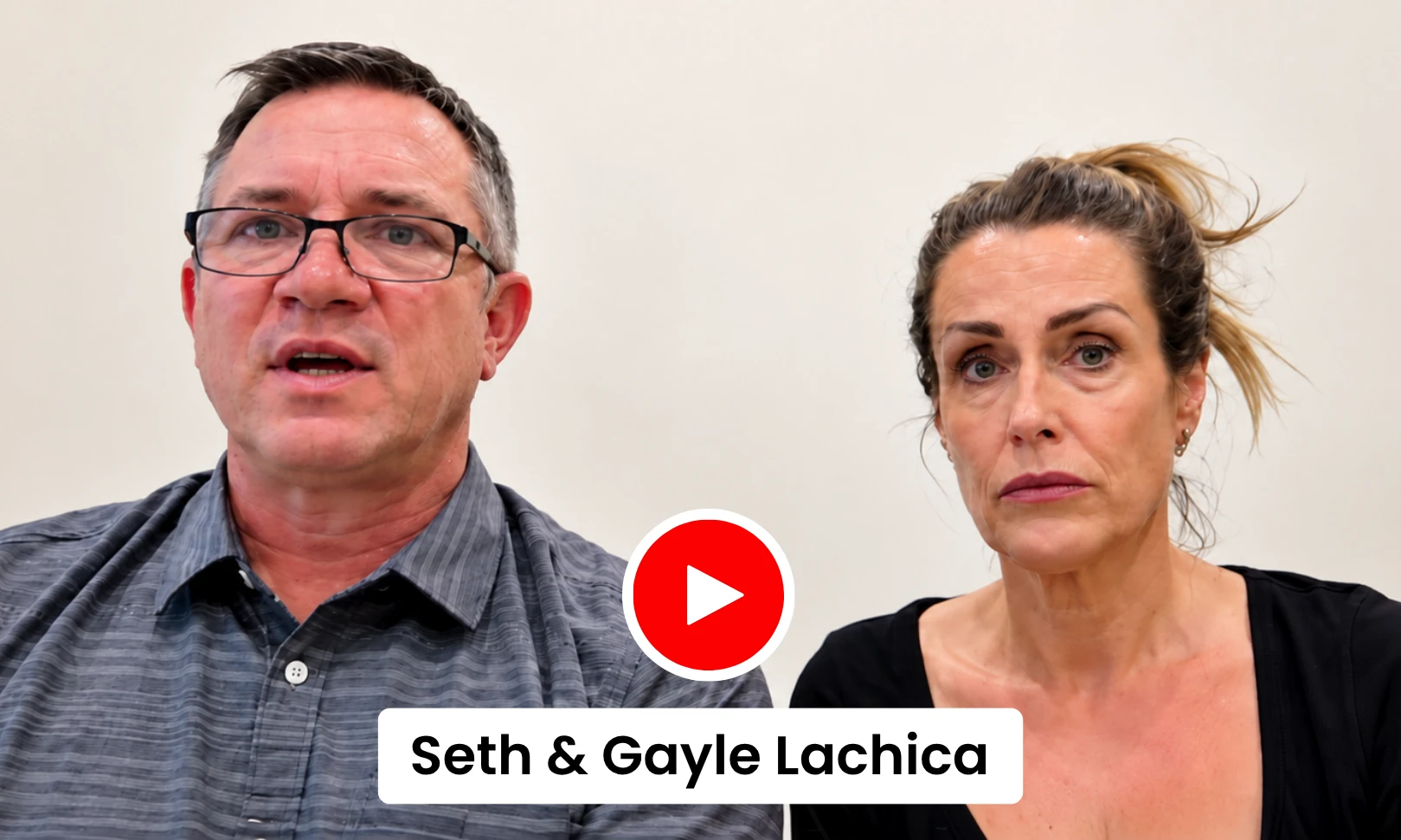
A severely ill, wheelchair-dependent patient was discharged from Abrazo Arrowhead Campus Hospital to a downtown Phoenix street in 100-degree heat. Unable to walk independently, Kaelen Lachica collapsed and was later pronounced dead.
This video examines the staff’s decision to discharge Kaelen alone despite his father Seth’s medical power of attorney and explicit warning that his son would die if they did so.
By bringing together the evidence surrounding the discharge and the father’s account, the video shows how a focused narrative can make failures in care—and their devastating human consequences—powerfully clear.
06:39
Denied Emergency Care
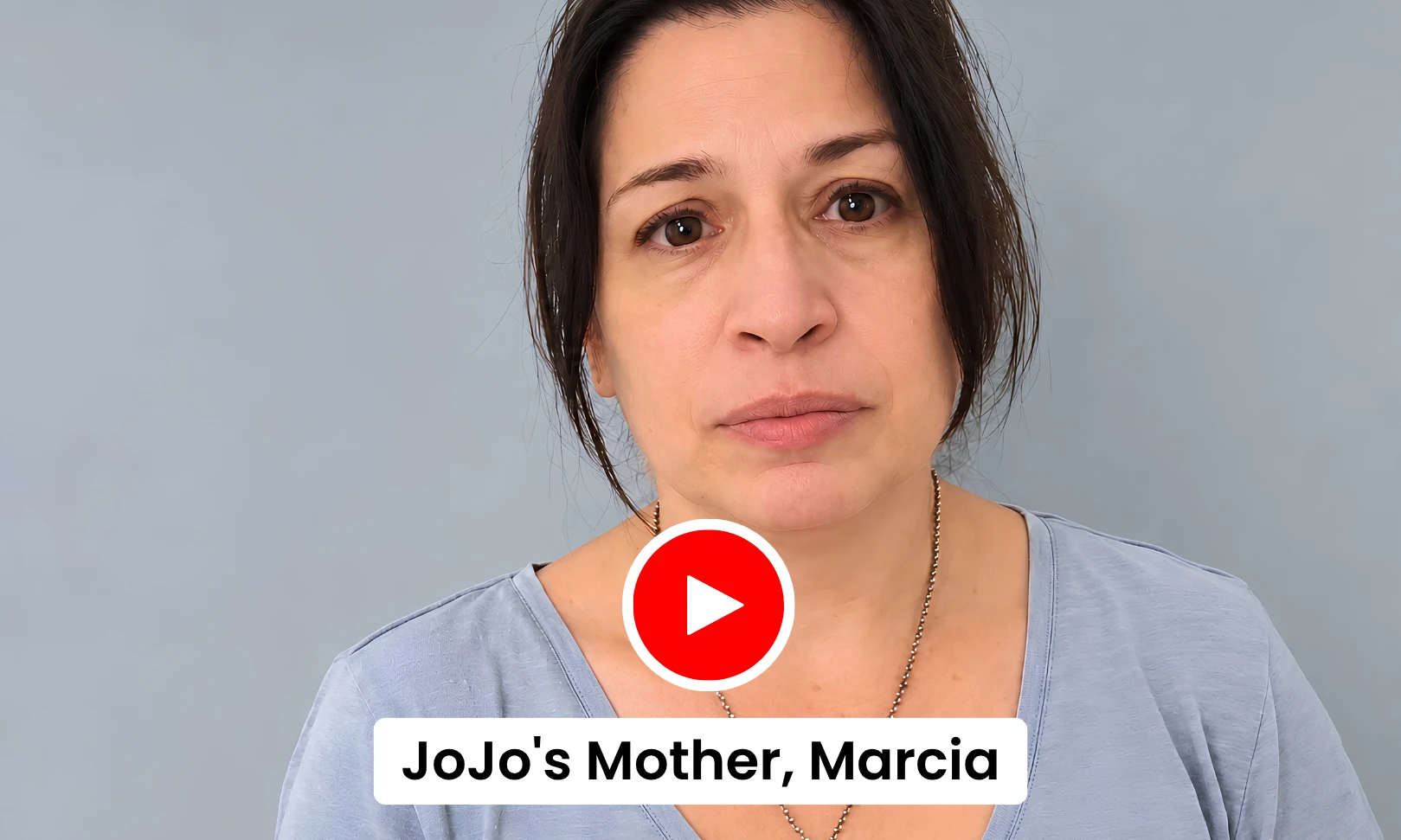
JoJo, a 27-year-old man with Down syndrome and autism, was suffering severe respiratory distress when his mother, Marcia, sought help at a Cleveland Clinic hospital ER in Port St. Lucie, Florida. Despite Marcia’s repeated pleas, emergency department staff refused to treat him. He subsequently died.
This video brings the denial of care into sharp focus through JoJo’s mother’s account and the sequence of events. It shows how a carefully framed video interview can connect the evidence to a family’s experience and provide lasting impact.
06:02
Fatal Error Cover-up
Our Core Team
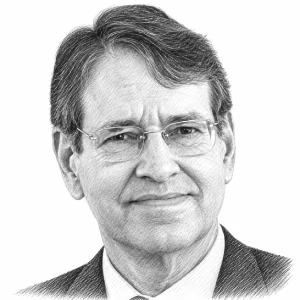
Robert E. Oshel, Ph.D.
Oversight Expert
Robert E. Oshel, Ph.D., is an expert in medical malpractice and medical discipline. Before retiring from the U.S. Department of Health and Human Services, he was Associate Director for Research and Disputes at the National Practitioner Data Bank. He oversaw statistical analysis of the Data Bank’s reports on malpractice payments and physician discipline. He established the Data Bank’s Public Use data file. Robert provides significant editorial input to our reports and scripts from start to finish.
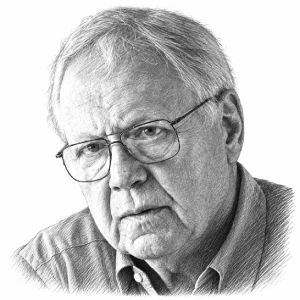
Lars Aanning
Medical Expert
Lars Aanning practiced general surgery for nearly three decades after graduating from the University of Nebraska Medical School. Today, he applies decades of clinical experience to helping families find answers about their loved ones’ tragic outcomes and deaths. He examines medical records and questions explanations. Lars is our medical detective—telling us where to look and what we are likely to find. His hobbies include World War II history and spending time with his grandchildren.
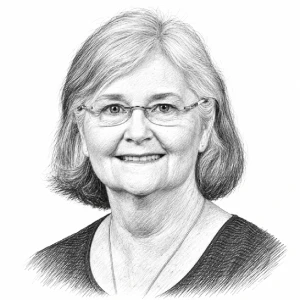
Marge Benham-Hutchins
Marge Benham-Hutchins, Ph.D., MSN, RN, is a tenured associate professor at Texas A&M University–Corpus Christi. She earned her Ph.D. from the University of Arizona, specializing in health informatics and health systems. Her research explores how healthcare communication and patients’ access to medical information affect patient outcomes. A lifetime member of the Society for Participatory Medicine and co-editor of the Journal of Participatory Medicine, Marge brings extensive nursing expertise to our evaluation of patient care in each case.
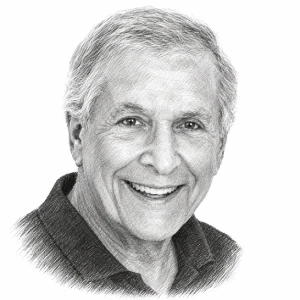
Bob Aller
Bob Aller, a co-founder of Hospital Watchdog and a UCLA film school graduate, taught filmmaking at the USC School of Cinematic Arts and the Art Center College of Design. He produced and directed medical-related documentaries exploring autism, adverse medication reactions, scientific methodology, and prostate cancer. His work has earned multiple awards, including an Academy Award nomination for A Long Way from Nowhere, a documentary about autism. Medical errors involving a family member also gave Bob firsthand experience as a plaintiff in medical malpractice litigation, bringing a personal understanding of the challenges families face in seeking accountability.
In every Hospital Watchdog case report, we hold hospitals and individual providers accountable by documenting how the standard of care was breached. We provide the evidence that shows who was responsible.
In one case involving a major teaching hospital, a close review of court records, including admissions in physicians’ deposition testimony, revealed which physicians tried to conceal a medical error that killed a patient and how they did it. The case ended in a substantial settlement shortly before trial.
Producing settlement documentaries through our subsidiary, Your Settlement Documentary, extends that mission and provides financial support for investigative reporting and patient advocacy at Hospital Watchdog.
Questions Answered
What makes a malpractice case compelling as a settlement documentary?
The strongest candidates are cases where the critical failures in care and their consequences can be explained clearly and concisely. Cases requiring lengthy, complex medical explanations may be less suited to this format.
What do you focus on?
Guided by your settlement strategy, we focus on the primary acts of malpractice, identify those responsible, highlight the key facts established by the evidence, and show the consequences for the patient and loved ones.
What would the finished documentary include?
How long will the documentary be?
We recommend a documentary under 10 minutes to maintain attention and maximize impact.
What is the range of costs?
Costs are expected to range from $5,000 to $15,000. After reviewing the project’s requirements, we prepare a detailed budget covering scriptwriting, editing, and any necessary videography, travel, and related production expenses.
How long does production take?
Production typically takes six weeks after we receive the necessary materials and agree on the project’s scope. The schedule also depends on timely feedback and the extent of revisions. We do not accept rush assignments.
What materials would you need from us?
Depending on the case, we may request relevant medical records, expert reports, deposition transcripts or video, photographs, and other supporting evidence. We work with you to identify the materials needed to support your settlement strategy.
What is my level of involvement?
You would guide us on your settlement strategy, review and approve the script before video editing begins, and provide feedback on edited versions before giving final approval.
How many revisions can be made to the script and video?
We provide unlimited revisions for scriptwriting and video editing. We believe the strongest documentaries result from remaining open to better ideas throughout production.
How do you protect the confidentiality of submitted materials?
We maintain the confidentiality of all materials submitted to us. Access is limited to team members working on your case, and we do not disclose or use these materials for any other purpose without your authorization.
What is the first step?
Send us the latest amended complaint and a brief outline of the settlement strategy you want the documentary to support. Within approximately one week, we will provide a written assessment of your case’s suitability for a documentary, at no charge. We can then discuss how to present the strongest elements of your case in a compelling documentary. After that discussion, you can decide whether to proceed.